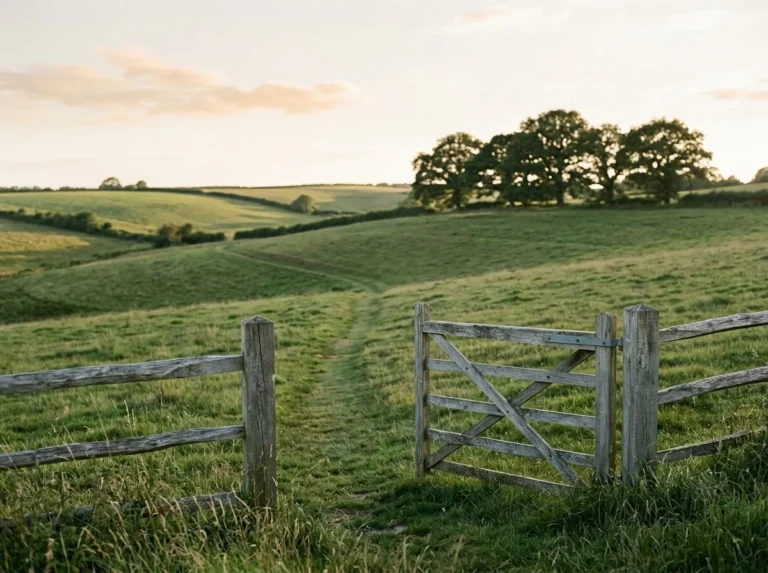
Fencing for mini cattle needs to contain the actual animals you will manage, protect them from foreseeable hazards, and allow necessary work on the property. The word “mini” is not a fence specification. Design around calf size, adult size, behavior, horns, terrain, roads, and neighboring animals.
Inspect the boundary first
Walk every fence line and gate before arranging a purchase. Look for loose sections, weak posts, sharp projections, damaged hardware, gaps beneath fences, unsafe debris, and erosion. Inspect from the animal’s side as well as from the road or yard.
Confirm property boundaries and access rights through appropriate channels. An old fence may not mark a legal boundary, and a convenient gate may open onto land you cannot use.
Separate boundary containment from internal management
A secure perimeter and useful internal divisions have different jobs. Internal areas can support grazing rotation, receiving new animals, separating incompatible cattle, and moving animals toward suitable handling facilities.
Ask an experienced local installer or cattle adviser to help select a system. Where electric fencing is proposed, obtain property-specific advice on equipment, earthing, vegetation control, testing, animal introduction, and failure contingencies. Do not rely only on a retail product description.
Design gates for ordinary and urgent access
Consider feed deliveries, trailers, veterinary vehicles, cleaning equipment, and emergency entry. Gates should be secure and usable without forcing a person into an unsafe position beside an animal.
Safe cattle facilities need a workable handling route and appropriate restraint for necessary care. Good fences alone do not create that system. 5
Build a maintenance routine
Check critical sections regularly and after severe weather, fallen branches, unusual animal activity, or work by contractors. Test electric systems using appropriate equipment where applicable. Keep compatible repair materials and a reliable help contact available.
A cattle escape can become an immediate animal and public-safety problem. Your plan should identify who can safely help and whom to contact locally. Do not depend on a backup keeper finding tools for the first time during an emergency.
Before the first arrival
- Complete and inspect the perimeter.
- Test every gate and latch.
- Confirm water and shelter access within the enclosure.
- Prepare receiving and separation areas.
- Check the route to restraint and loading facilities.
- Have a repair and emergency contact plan.
Read the fencing budget guide before requesting quotes and handling-facility planning before deciding the layout is finished. A fence is successful when it supports safe daily management, not merely when it looks complete.
AI-assisted buyer education, informed by the sources linked above. No first-hand farm experience or professional qualification is implied. Ask a qualified veterinarian, agricultural adviser, or relevant authority about your own animals and location.