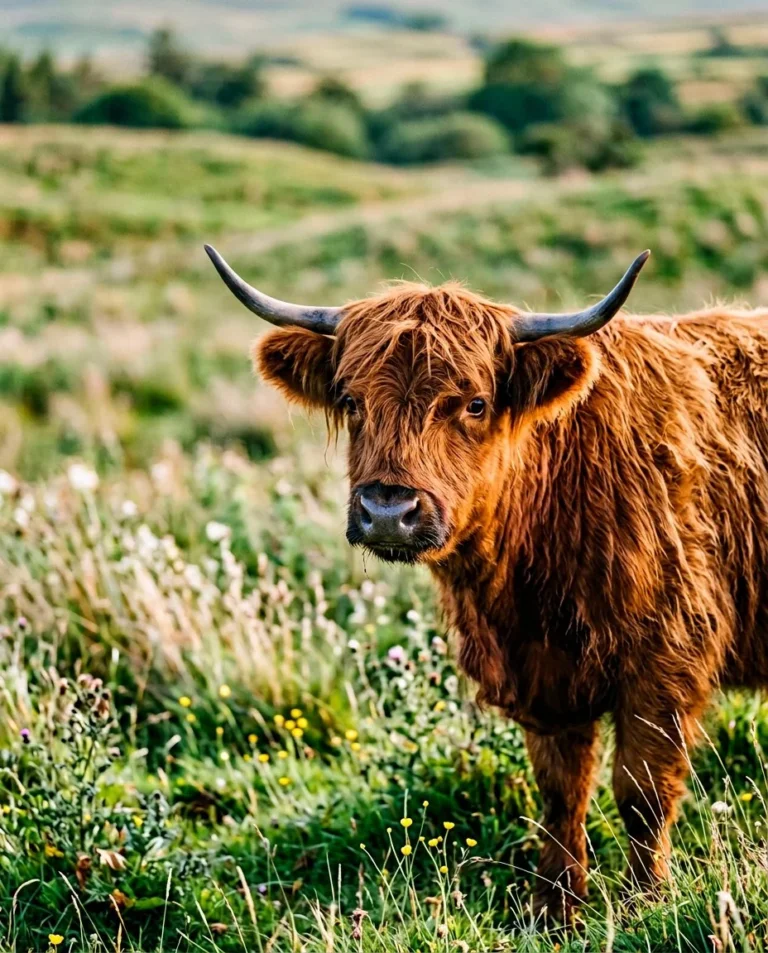
Before bringing home your first mini cattle, test your plan against an ordinary wet weekday—not only the sunny afternoon you imagine in the pasture. Readiness means being able to provide daily care and respond to problems even when the animals are inconvenient, the weather is poor, or your usual helper is away.
Check the essential infrastructure
Walk the boundary and inspect every gate. Confirm that water is accessible and reliable, feed can be stored appropriately, and cattle have suitable shelter and safe footing. Identify a way to separate an animal and a route to appropriate handling facilities.
Ask your veterinarian to review the practical restraint arrangements. Penn State Extension identifies a functional handling system and suitable restraint as important to protecting both cattle and handlers. 5
Do not count an unfinished fence, an unconnected water line, or a borrowed trailer that may be unavailable as a completed part of the plan.
Test your time and backup arrangements
Write a realistic daily routine covering observation, water checks, feeding as required, fences, and cleaning. Add less frequent tasks such as forage purchasing, veterinary appointments, maintenance, and manure handling.
Identify a competent backup keeper who agrees to help and knows the property. Check whether they can manage the actual animals you intend to buy. A friend who likes cattle is not necessarily prepared to handle an intact male or recognize an urgent health problem.
Check companionship and professional support
Discuss a suitable cattle group, introduction plan, and temporary separation arrangements. Confirm that a veterinarian who sees cattle will accept you as a client and can explain emergency access. Locate experienced handling and transport help before you need it.
Ask local officials about livestock keeping, land use, setbacks, waste management, movement requirements, and any restrictions relevant to your property. Do not assume that owning land automatically permits the activity you have in mind.
Put numbers beside the plan
Use local quotes for feed, facilities, veterinary work, transport, and insurance where appropriate. Include an emergency reserve and the value of your time. Penn State’s business-planning guidance notes that a cattle enterprise needs to account for management, feed, health, fencing, housing, waste, and costs specific to the operation. 5
Use a simple readiness traffic light
Green: Completed, tested, and supported by a person who understands the task.
Amber: Arranged but not yet finished, or dependent on an assumption that needs checking.
Red: Missing, unsafe, unaffordable, or unsupported.
Do not average a red safety item against several green preferences. Resolve the critical gap first. Delaying a purchase can be the most responsible step toward becoming a good cattle keeper.
Continue with the complete buying guide and long-term care planning. If you are making an inquiry, share the amber items honestly so advice can address your real situation.
AI-assisted buyer education, informed by the sources linked above. No first-hand farm experience or professional qualification is implied. Ask a qualified veterinarian, agricultural adviser, or relevant authority about your own animals and location.