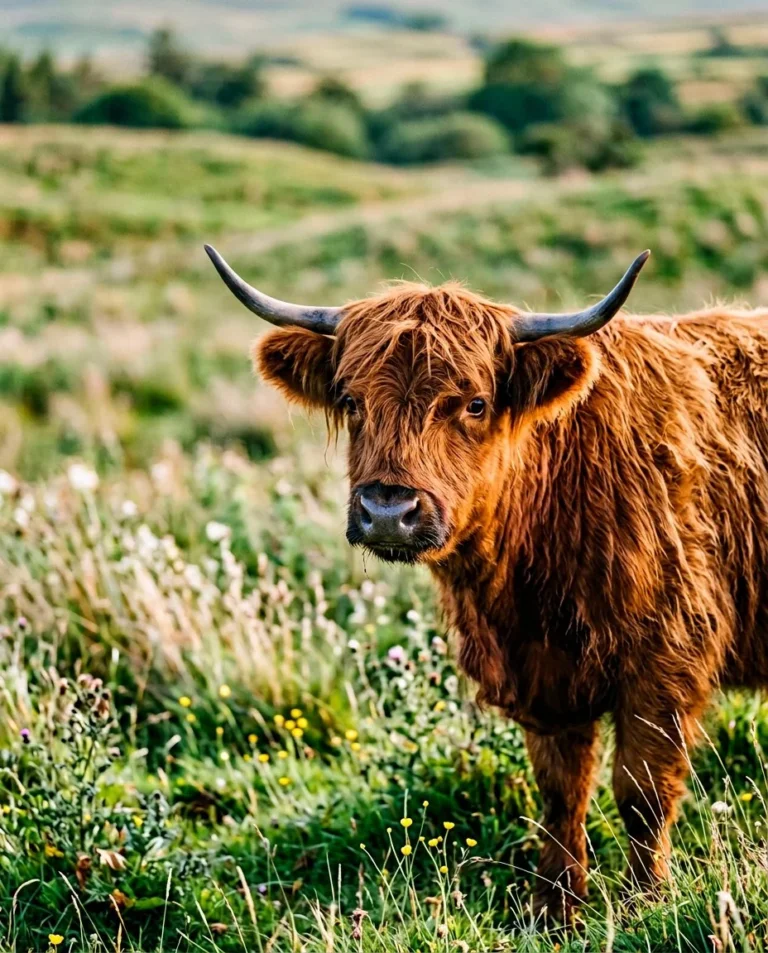
A pre-purchase vet exam for cattle should be designed around the individual animal and your intended use. It can help identify concerns and inform your decision, but it is a point-in-time assessment—not a guarantee of lifetime health, fertility, or a particular adult size.
Involve your veterinarian early
Explain whether you want companions, breeding stock, or another agricultural role. Share the sale description, identification, age record, known ancestry, current measurements, and relevant health or genetic documents.
Ask what examination and additional tests are appropriate, what they can establish, and what they cannot. Agree on costs, access to the animal, facilities, and the seller’s permission before booking work.
Request the history, not just an examination result
Ask the seller to disclose relevant illness, injury, treatments, mobility concerns, reproductive history, feeding difficulties, and previous test results. Have the records reviewed together rather than treating a recent certificate as a replacement for the full history.
Penn State’s cow-calf guidance recommends considering the source herd’s health program when purchasing cattle. That broader context can inform questions about an individual animal. 3
Clarify the scope in writing
If breeding is intended, discuss reproductive assessment and relevant genetics. If transport is planned, ask about fitness to travel and the applicable movement process. These are related questions but not necessarily the same service or document.
Ask who receives the report and whether you will be able to discuss it directly with the examining veterinarian. Do not rely on a seller’s shortened interpretation of a concern you have not seen explained.
Provide safe working conditions
Appropriate restraint and handling facilities are essential for useful veterinary work. A quiet calf in a photograph may not permit a complete examination in an open field. Penn State emphasizes a functional handling system and suitable restraint for necessary care. 5
If safe access is not available, discuss an alternative with the veterinarian rather than expecting an improvised procedure.
Decide before paying
Record what happens if the examination raises a concern, further tests are advised, or the move needs to be delayed. Any deposit or cancellation agreement should address these possibilities clearly. Get qualified advice on contract questions where needed.
Questions for the veterinarian
- Does the animal appear suitable for the stated purpose?
- Which concerns need more information or testing?
- What uncertainty remains after this examination?
- What care, transport, or introduction precautions are advised?
- Would you recommend postponing the purchase decision?
Read the health-record checklist and deposit checklist to connect the examination with the wider transaction. Do not use general online guidance to overrule animal-specific veterinary advice.
AI-assisted buyer education, informed by the sources linked above. No first-hand farm experience or professional qualification is implied. Ask a qualified veterinarian, agricultural adviser, or relevant authority about your own animals and location.