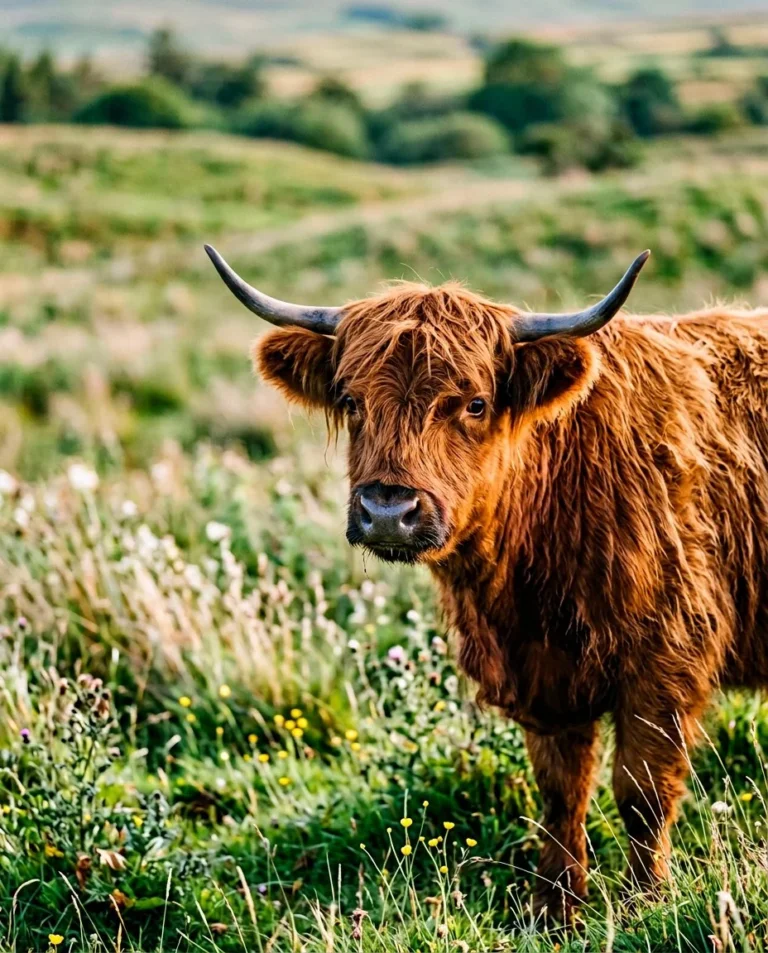
Choosing horned or polled cattle affects equipment and handling considerations, but it should not become a shortcut for judging safety. A hornless animal can still kick, push, crush, or behave unpredictably. Assess the individual, the facilities, and the people who will manage it.
Clarify the description
Ask whether the animal is naturally polled, has been disbudded or dehorned, has scurs, or has developing horns. Request relevant records and a current safe view. A young animal’s appearance may not answer every question about its future horn status.
If genetic claims about polled status matter to your breeding plan, obtain the actual test information and discuss interpretation with a qualified adviser. Do not infer genetics solely from a photograph.
Review the whole handling route
Consider gates, alleys, feeders, transport partitions, restraint equipment, and the space where animals interact. Discuss the dimensions and design with your veterinarian and an experienced handling-system supplier for the animals you intend to keep.
Penn State’s handling guidance emphasizes appropriate facilities, the cattle’s flight zone and point of balance, and suitable restraint. These principles remain important whether or not horns are present. 5
Do not try to solve a poor layout by assuming the animals will always move calmly through it.
Plan feeding and group management
Observe whether animals can access feed and water without becoming trapped or displaced. Mixed sizes, behavior differences, and horn configurations can complicate group arrangements. Keep a safe separation option available for injury, incompatibility, or veterinary advice.
Ask how the candidate has been managed with other cattle and what changes your setup would introduce. A seller’s peaceful group is useful context, not a guarantee that a new arrangement will behave identically.
Leave procedures to qualified care
If horn-related treatment is being considered, discuss welfare, timing, pain management, local legal requirements, and appropriate professional involvement with your veterinarian. This is not a do-it-yourself task to improvise after purchase.
Include any recommended work and aftercare in the budget before committing to the animal. Do not buy on the assumption that a later procedure will make unsuitable facilities safe.
A practical decision rule
Choose a candidate only when you can safely house, move, restrain, and transport that animal as it is—or have a veterinarian-approved plan completed before arrival. Appearance should not outrank those requirements.
Use our handling-facility guide and first-animal comparison to assess the wider management plan.
AI-assisted buyer education, informed by the sources linked above. No first-hand farm experience or professional qualification is implied. Ask a qualified veterinarian, agricultural adviser, or relevant authority about your own animals and location.