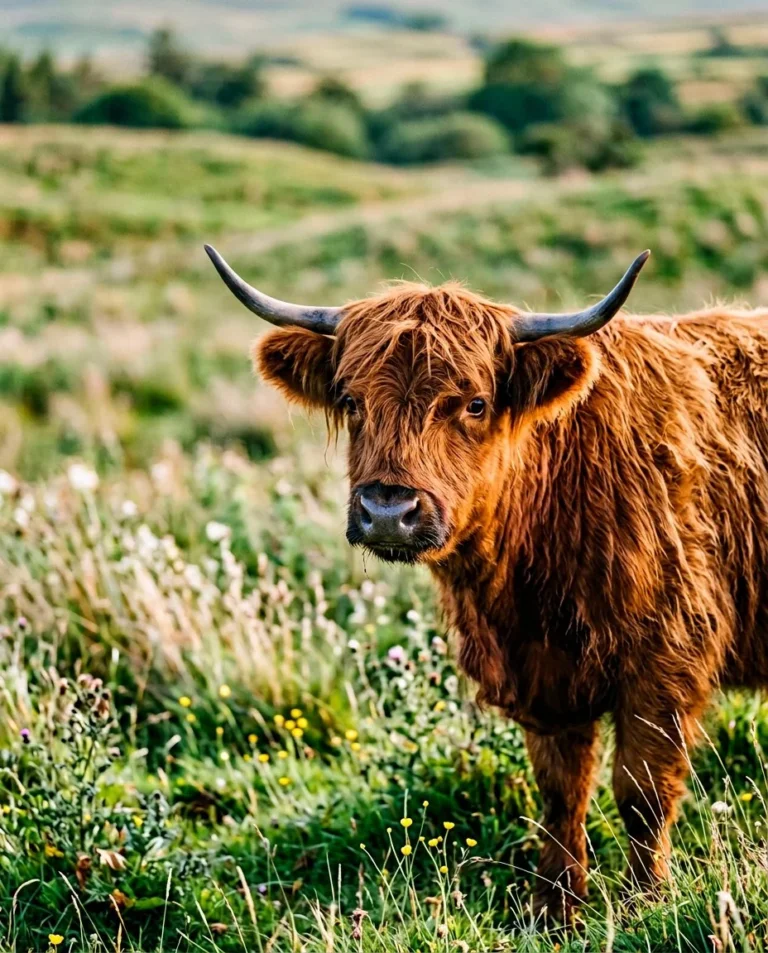
A Highland vs Dexter comparison for a smallholding should be built around actual animals and your intended use. Breed descriptions can help you form questions, but they should not become promises about temperament, milk production, adult size, or maintenance costs.
Begin with your purpose
Write down whether you want non-breeding cattle companions, breeding stock, or a specific agricultural enterprise. Identify the facilities, labor, and professional support that purpose requires. Then compare candidates against the plan.
Do not choose solely on the idea that one breed is “easy.” Experience, handling history, reproductive status, individual behavior, and the design of your property all affect daily management.
Compare documented size and ancestry
Request birth records, parent identities, relevant registration information, and consistent current and adult parental measurements. Ask whether the animal is purebred, crossbred, or described informally by appearance.
If adult size is a central requirement, discuss the uncertainty of predicting it from a calf with an experienced breeder and veterinarian. A mature measured animal may answer that question more clearly than a young calf with an optimistic label.
Take genetic records seriously
For animals with relevant ancestry, ask which chondrodysplasia tests have been performed and obtain the actual reports. UC Davis describes the Dexter BD1 and BD2 variants and explains that each requires a separate test. Its results distinguish carriers from animals without the tested variant. 2
Do not assume every Dexter carries a mutation or every Highland-type animal is free of it. The same source reports relevant variants in other miniature cattle populations. Interpret the individual records, not a breed stereotype. 2
Compare the practical setup
For each candidate, consider horns, handling needs, climate, feeding requirements, compatible cattle company, and safe transport. Ask to observe routine leading and movement without encouraging unsafe demonstrations.
Cattle facilities should support necessary care regardless of the breed chosen. A quiet animal still needs appropriate restraint for examination or treatment. 5
Build a side-by-side decision sheet
Use the same headings for both: verified identity, ancestry, size evidence, health records, genetic results, handling history, purpose fit, and total ownership cost. Note missing information explicitly.
If your main interest is milk or breeding, ask specialist advisers to assess whether the individual animal and your management plan can support that goal. Do not infer performance from appearance or marketing claims.
Continue with the complete buying guide and genetic-testing questions before narrowing your shortlist.
AI-assisted buyer education, informed by the sources linked above. No first-hand farm experience or professional qualification is implied. Ask a qualified veterinarian, agricultural adviser, or relevant authority about your own animals and location.