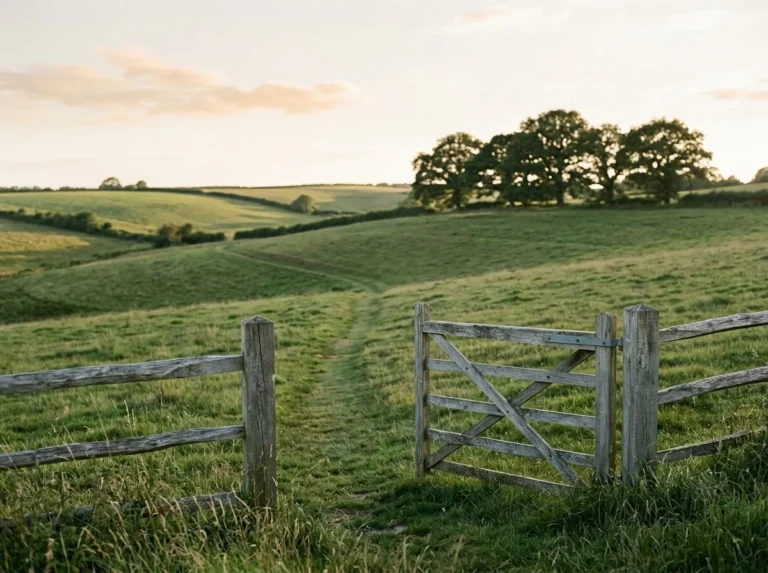
The amount of land for mini cattle depends on usable forage, soil, rainfall, seasonal growth, animal needs, and the management system. A universal “one cow per acre” rule is not a reliable property plan. Start by separating total acreage from land that can actually support your cattle.
Map usable space
Exclude the house, roads, steep or unsafe ground, protected areas, and land that cannot be grazed appropriately. Mark wet patches, shade, water, fencing, access routes, and places where cattle may damage soil during poor conditions.
Ask a local agricultural extension adviser, agronomist, or other qualified professional to assess pasture condition and realistic forage production. The same acreage can perform very differently in different climates and seasons.
Work from carrying capacity
Carrying capacity relates animal demand to the forage a property can provide while maintaining the pasture and soil. University of Minnesota Extension identifies animal numbers and weights as important to stocking decisions and pasture agreements. 3
Give your adviser the proposed number, size, age, and reproductive status of the cattle. Discuss periods when growth slows and purchased forage or a different management area may be needed. Include cattle companionship rather than budgeting land for an isolated animal by default.
Plan the non-grazing infrastructure
Even a productive field needs secure boundaries, reliable water, safe shelter where required, suitable handling facilities, feed storage, and a way to separate animals. Reserve space for vehicle access, veterinary work, and manure management.
A small property relying on purchased forage still needs a welfare-appropriate layout and local permission. Buying feed does not make every amount of land suitable for cattle.
Check legal and neighborhood constraints
Ask the relevant local authority about livestock keeping, land use, setbacks, water protection, manure storage, and any limits applying to your property. If you rent, get written permission and clear responsibilities for fencing, maintenance, and animal numbers.
Do not assume a rural address or agricultural-looking field answers these questions. Confirm access rights and who is responsible when fences, water systems, or drainage fail.
Build a seasonal plan
Create a calendar showing expected pasture growth, stored-feed periods, field resting, wet-weather arrangements, and review dates. Keep a reserve strategy for drought, flooding, or a delayed growing season.
Start smaller than your best-case capacity and review actual performance with your adviser. Record pasture condition and animal condition so adjustments are based on evidence rather than a fixed number from the internet.
Use rotational grazing planning and the hay budget to connect your land assessment to a workable feeding plan.
AI-assisted buyer education, informed by the sources linked above. No first-hand farm experience or professional qualification is implied. Ask a qualified veterinarian, agricultural adviser, or relevant authority about your own animals and location.