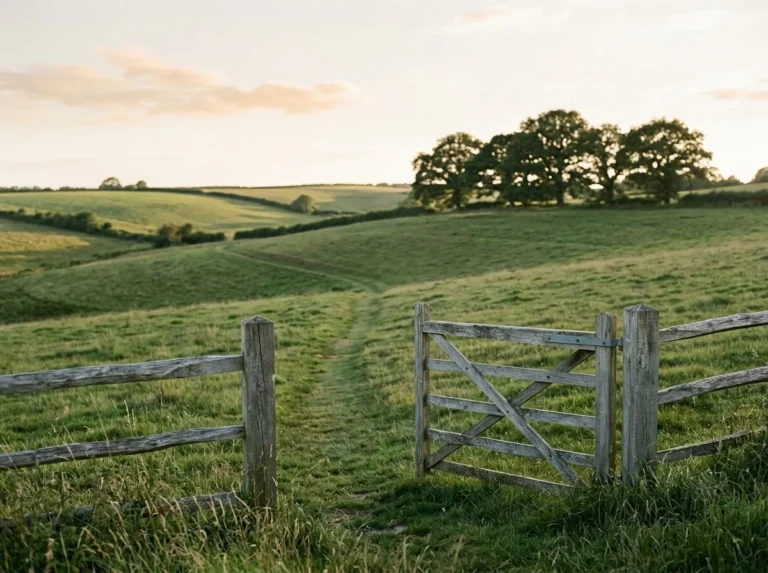
Shelter for mini cattle should be planned for your climate, ground conditions, animals, and management routine. A photograph of a charming field shelter does not tell you whether it drains well, ventilates properly, or allows every animal safe access.
Start with the site
Observe where water collects and where wind, heat, or muddy traffic creates problems. Consider access in poor weather and whether machinery can deliver feed or remove bedding without trapping animals or blocking escape routes.
Ask appropriate local advisers about drainage, structural requirements, and permissions. Avoid building first and discovering afterward that the location creates runoff, access, or land-use difficulties.
Prioritize airflow, dryness, and safe movement
The design should provide appropriate weather protection without creating poorly ventilated conditions. Discuss animal numbers, size, horns, entrances, and group behavior with experienced advisers. All animals need workable access, not just those highest in the group’s hierarchy.
Do not place feed or water where using it creates crowding or prevents another animal from leaving. Review the layout from the perspective of both the cattle and the person cleaning or checking them.
Plan for your difficult season
In hot weather, cattle need adequate shade, water, and ventilation; handling should be limited during high heat and humidity. University of Minnesota Extension emphasizes these practical measures in its feedlot heat-stress guidance. A veterinarian can help adapt them to your cattle and facilities. 1
In wet or cold conditions, assess footing, bedding where used, water reliability, and feed access with your local veterinarian or livestock adviser. A long coat should not be treated as a reason to ignore shelter quality or ground conditions.
Keep shelter separate from safe restraint
A field shelter is not automatically a suitable place for veterinary examination, treatment, or loading. Plan a safe handling system as well. Appropriate restraint protects animals and people during necessary work. 5
If an animal needs temporary separation, make sure you can provide suitable care and manage its social needs under veterinary guidance. Do not improvise confinement in an unsafe storage area.
Test the design with a walk-through
Imagine feeding during heavy rain, checking an animal after dark, moving equipment, cleaning bedding, and admitting a veterinarian. Identify the points where people and cattle compete for space. Correct those problems before arrival.
Use the shelter budget and winter-preparation checklist to plan construction and maintenance together. The aim is a practical, durable environment that remains usable when conditions are less than ideal.
AI-assisted buyer education, informed by the sources linked above. No first-hand farm experience or professional qualification is implied. Ask a qualified veterinarian, agricultural adviser, or relevant authority about your own animals and location.