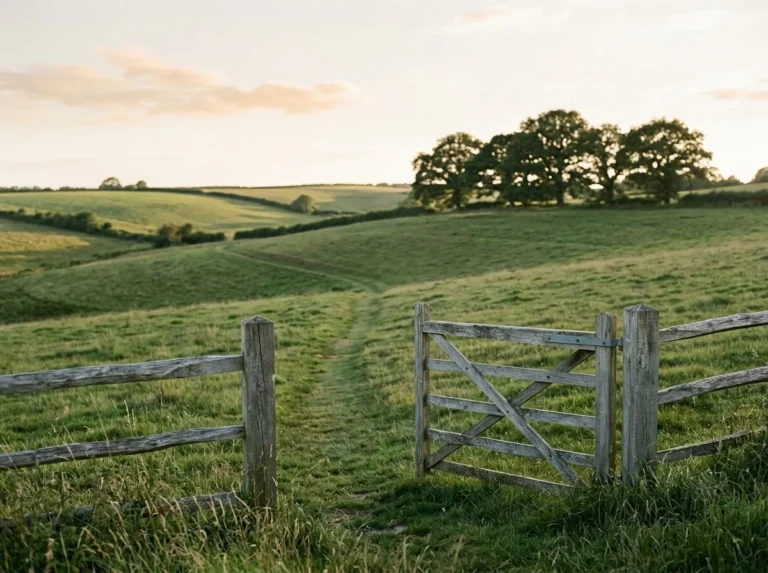
Highland cattle in hot weather need a property-specific plan, not reassurance based on a photograph of a comfortable-looking animal. Weather risk depends on heat, humidity, airflow, shade, water, health, and management. Ask your veterinarian how those factors affect your individual cattle.
Prepare resources before a hot spell
Check that suitable shade is available and accessible without crowding. Inspect water quality, supply capacity, refill performance, and the smallest animal’s ability to drink. Review airflow and any professionally designed cooling arrangements.
University of Minnesota Extension’s feedlot guidance recommends clean water, shelter from the sun, good airflow, and limiting necessary handling to early morning in hot, humid weather. The guidance concerns feedlot cattle; ask your veterinarian or nutritionist to adapt feeding and cooling plans to the individual animals and property. 1
Do not assume a small trough is adequate merely because it is full during a morning check. Observe the system when demand is high.
Change the work plan, not just the equipment
Avoid unnecessary transport, handling, or strenuous movement during difficult conditions. Where work is necessary, discuss timing and precautions with your veterinarian and experienced handlers.
Keep a contingency for power failure, a broken pump, or the loss of shade. If cooling equipment is part of the system, maintain it and confirm that it is appropriate for local humidity and ventilation. More water sprayed in the wrong place is not automatically better cooling.
Watch the animals, not only the forecast
Ask your veterinarian which signs should prompt concern and what immediate steps are appropriate. Changes in breathing, behavior, coordination, or normal activity can warrant urgent professional advice. Do not assume an animal is safe because a generic temperature threshold has not been reached.
Heat-stress guidance for cattle identifies water, shade, and airflow as central prevention measures, while noting that animals and conditions differ in risk. 4
Consider climate before buying
Tell the seller and veterinarian where the animal will live. Ask how its current environment differs and what changes the move will involve. A cattle type’s appearance or reputation should not replace an assessment of whether your property can provide suitable care.
Before collection in warm weather
Confirm a suitable movement plan, a ready shaded receiving area, reliable water, and competent observation on arrival. Be prepared to delay when professional advice or conditions indicate that is safer.
Use transport planning and water-system checks to connect the journey with the destination. This is general preparation guidance; suspected heat-related illness requires prompt veterinary advice.
AI-assisted buyer education, informed by the sources linked above. No first-hand farm experience or professional qualification is implied. Ask a qualified veterinarian, agricultural adviser, or relevant authority about your own animals and location.