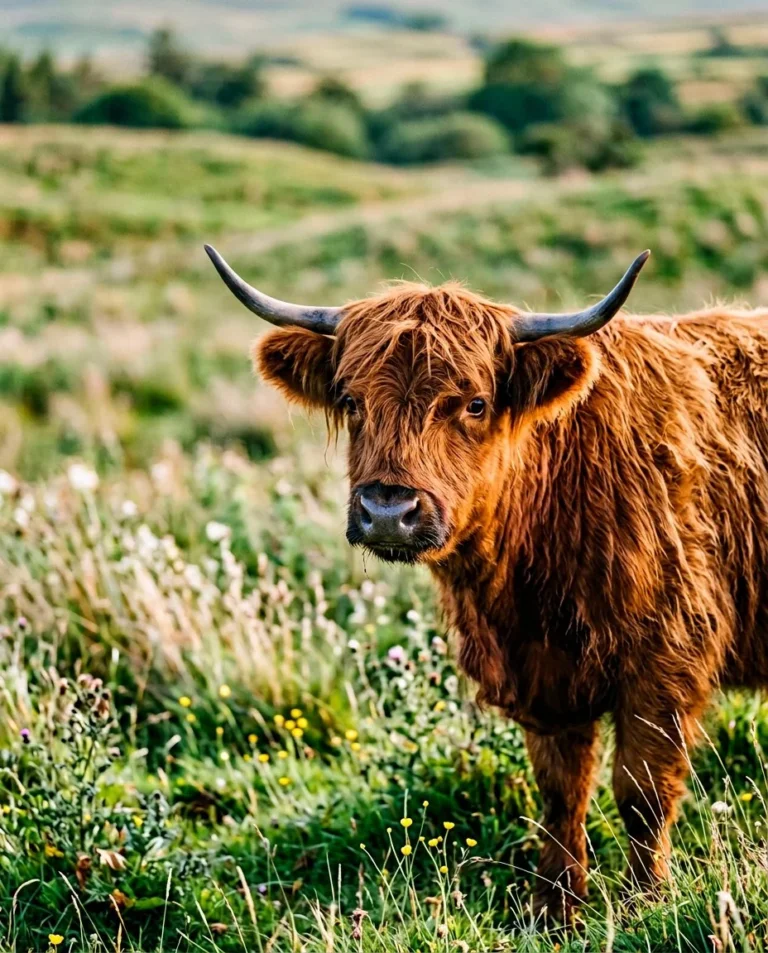
Buying a weaned mini Highland calf can simplify the move to a new home, but only when “weaned” describes the calf’s actual feeding independence. It should not be treated as a marketing synonym for “old enough to sell.” Ask what the calf is eating and how consistently it has managed without milk.
Request a feeding history you can use
Ask for the weaning date, the previous milk-feeding arrangement, the current forage and concentrate if used, the feeding schedule, and the type of water source. Record product names and amounts as reported by the seller, then have your veterinarian or livestock nutrition adviser review them for the individual calf.
A statement that a calf “nibbles hay” does not establish that its complete nutritional needs are being met without milk. Ask how the keeper has assessed intake, growth, and health during the transition. Do not improvise milk withdrawal or a new ration on collection day.
Avoid stacking major changes together
A calf may face a new group, new people, different water equipment, transport, and a changed diet in a short period. Ask which changes can be separated. Agree on an appropriate collection date with the seller and veterinarian rather than assuming that a newly announced weaning date means immediate transport is wise.
Bring a written feeding record home. Where your adviser recommends it, arrange an appropriate supply of familiar feed for the transition. The objective is continuity, not blindly copying a ration that may need to change for your pasture, forage, or animal’s needs.
Observe the calf in ordinary conditions
At a viewing, ask to see the calf eating its usual feed and locating water. Look at its interaction with compatible cattle and how it moves through the normal environment. A short video of hand-feeding is not a complete assessment of feeding independence or health.
Ask the seller to disclose recent illness, treatments, poor appetite, or interruptions to the weaning plan. Share those details with your veterinarian before deciding whether to proceed. Cattle purchase planning should consider the source herd’s health program as well as the animal’s genetic potential. 3
Prepare for the first days
Have a quiet receiving area, suitable companionship arrangements, clean water, secure fencing, and veterinary contact details ready. Agree on what observations to record and which changes require an immediate call. Reduced appetite or unusual behavior should not automatically be dismissed as normal travel stress.
Collection-day information checklist
- Confirmed animal identification and birth record.
- Current feed names and feeding routine.
- Weaning history and any remaining milk requirement.
- Relevant health and treatment records.
- The seller’s practical handling notes.
- Your veterinarian’s arrival and diet-transition instructions.
Read weaning readiness for a deeper checklist and the first week at home for arrival planning. If the evidence of readiness is unclear, postponing collection can be more responsible than meeting an arbitrary date.
AI-assisted buyer education, informed by the sources linked above. No first-hand farm experience or professional qualification is implied. Ask a qualified veterinarian, agricultural adviser, or relevant authority about your own animals and location.