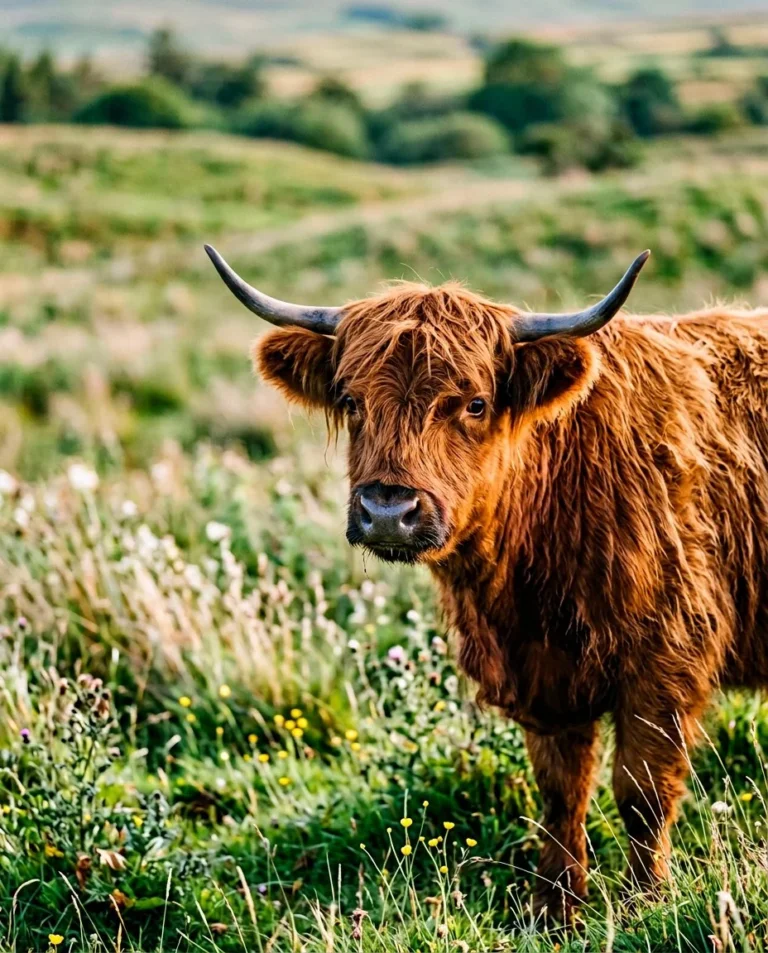
Choosing a heifer, steer, or bull changes more than the wording on a sale listing. It affects reproductive management, facilities, veterinary discussions, and the type of experience needed. Start with the job you want the animal to have, then consider individual behavior and suitability.
Understand the basic terms
A heifer is a female that has not calved. A cow, in the more specific agricultural sense, is a female that has calved. A bull is an intact male, while a steer is a castrated male. Ask the seller to confirm the animal’s actual status and the supporting record, rather than relying on a casual use of “cow” for all cattle.
Neither the term “mini” nor a young age removes the management implications of being an intact male. A small bull calf will grow, and behavior can change with maturity and circumstances.
If your purpose is companionship
Discuss suitable non-breeding animals with experienced cattle keepers and your veterinarian. A steer may be worth considering, but it is not automatically safe or well handled. Assess the individual’s history, current behavior, health, physical needs, and compatibility with your existing cattle.
A heifer can also require reproductive planning, including preventing unintended breeding if intact males are nearby. Clarify whether any pregnancy status has been assessed and what the limits of that assessment are.
If you are considering a bull
Be realistic about your facilities, experience, and ability to maintain safe separation. Do not select a bull simply because its purchase price is lower or it looked affectionate in a video. Cattle-related injuries can involve both behavior and poor facility design; safe management cannot depend on a pet-like description. 1
Ask a qualified adviser whether owning a bull is necessary for your actual goals. A breeding plan also needs reproductive evaluation, appropriate genetics, a suitable female, and provision for problems and future offspring.
Use a purpose-and-facilities comparison
For each candidate, answer these questions:
– What role will this animal have over the next several years?
– What reproductive management will be needed?
– Can our fences and handling system safely accommodate it as an adult?
– What compatible cattle companionship is available?
– Who will manage it when the usual keeper is unavailable?
– Which claims about behavior or breeding have actually been demonstrated?
Do not use sex as a substitute for a full assessment. A poorly handled steer can still be dangerous, and a quiet heifer still needs appropriate restraint and respectful handling.
Compare this decision with our first-cattle readiness guide and breeding-pair checklist. The right choice is the animal whose needs you can meet, not simply the one with the most appealing photograph.
AI-assisted buyer education, informed by the sources linked above. No first-hand farm experience or professional qualification is implied. Ask a qualified veterinarian, agricultural adviser, or relevant authority about your own animals and location.