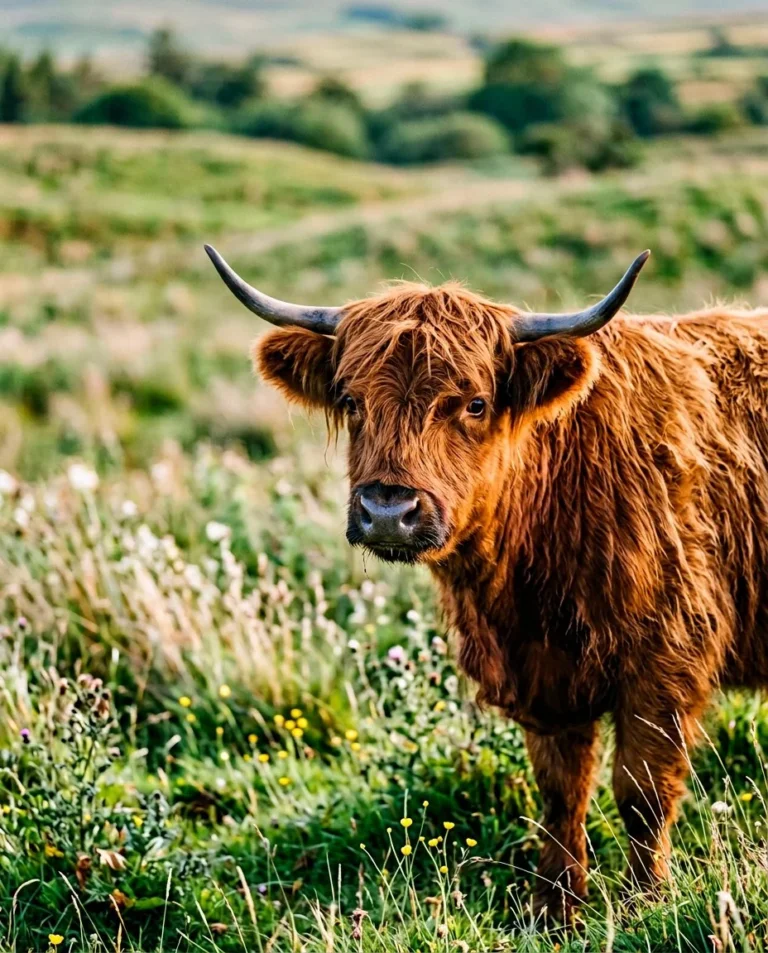
The question “one mini cow or two?” should lead to a companionship plan, not just a larger shopping basket. Cattle are social animals, and keeping an animal without suitable cattle company can create welfare and management problems. At the same time, buying two animals does not guarantee that they are compatible or that your land can support them.
Begin with the herd you already have
If you have resident cattle, describe their ages, sexes, sizes, behavior, and management to your veterinarian or experienced adviser. A new calf may need separation for health reasons before a gradual introduction. The long-term companionship plan and the arrival isolation plan must work together.
If you have no cattle, discuss acquiring compatible animals and how they will be managed through weaning, transport, and settling in. Do not assume goats, horses, or a dog replace appropriate cattle companionship.
Compatibility has several parts
Consider size differences, horn status, feeding access, behavior, reproductive status, and the strength of your facilities. Two animals that share a field at the seller’s property may still behave differently after transport or in a new layout.
Ask how they currently eat, rest, and move together. Find out whether one regularly excludes the other from feed or water. A joint photograph gives much less information than observations of their normal routine.
Avoid an accidental breeding decision
A male-and-female package is not automatically a suitable “starter pair.” Confirm whether the male is intact and discuss the females’ reproductive status. Breeding introduces questions about relatedness, genetic results, maturity, fertility, calving support, and where the offspring will go.
For relevant dwarfism variants, the actual test results matter. UC Davis describes significant risks when carriers of the same Dexter bulldog dwarfism variant are bred together. A vague assurance that a pair “works genetically” is not enough. 2
Budget for the whole group
Some facility costs may be shared, but feed, veterinary care, transport capacity, manure management, and emergency provision still need to reflect every animal. Check that each can access resources without being crowded out.
Build a contingency for temporary separation. Illness, injury, reproductive management, or the death of a companion can change a group’s needs. You should have a safe space and a professional contact before that happens.
A better question to ask
Instead of “Can I get away with one?”, ask: “What compatible cattle group can I support well, and how will I manage introductions and separation?” That question leads to more useful advice and a more sustainable decision.
See quarantine for new cattle and sharing space with other animals before deciding how your group will live together.
AI-assisted buyer education, informed by the sources linked above. No first-hand farm experience or professional qualification is implied. Ask a qualified veterinarian, agricultural adviser, or relevant authority about your own animals and location.