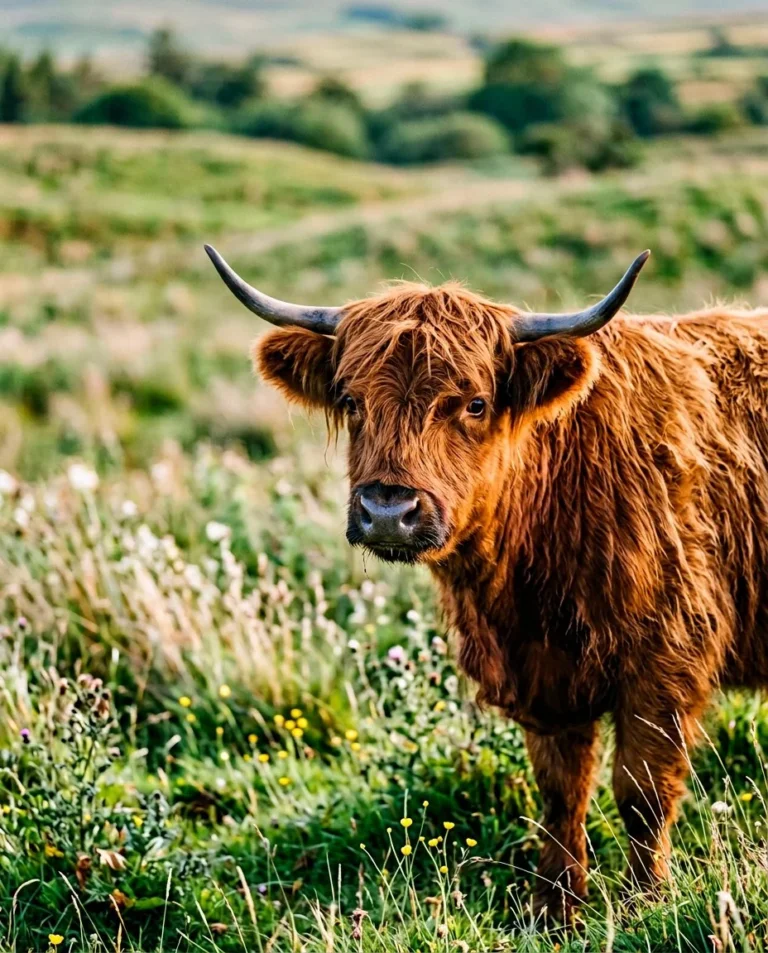
Mini cattle hoof care begins with observation, safe facilities, and access to qualified help. Do not wait until an animal is difficult to move before finding out who can assess it or how it will be restrained. Small stature does not make improvised handling safe.
Observe normal movement
Learn how each animal usually walks, stands, rises, and uses the field. Note changes such as reluctance to move, uneven weight bearing, altered gait, or difficulty accessing resources. Record when the change began and any relevant event or surface condition.
Contact your veterinarian when there is a concern. Do not assume every mobility problem is simply an overgrown hoof or attempt to diagnose the cause from a photograph.
Review the environment
Inspect gateways, shelter floors, paths, handling areas, and places where cattle stand to feed or drink. Discuss footing, drainage, sharp objects, and wear patterns with your veterinarian or an experienced adviser.
A good facility plan includes safe access for examination and treatment. Penn State emphasizes suitable handling and restraint equipment for necessary cattle care. 5
Arrange appropriate professional care
Ask the veterinarian whether and when a qualified hoof-care professional is needed and what system they require. Confirm that the equipment is suitable for the animal’s size and horn status.
Do not improvise trimming, restraint, or treatment because an animal is described as gentle. Pain, fear, and unfamiliar handling can change behavior. Qualified care should include appropriate welfare and safety measures.
Include hoof care in purchase questions
Ask about previous lameness, injuries, treatments, trimming, and any ongoing management requirement. Request relevant records and ask to see the animal moving normally during a safe viewing.
A pre-purchase examination can help you understand concerns, but it cannot guarantee future soundness. Discuss the intended use, local surfaces, and handling setup with the veterinarian.
Prepare before an appointment
Confirm the animal’s identification, relevant history, safe gathering arrangements, equipment access, and the people who need to be present. Follow professional instructions about preparation rather than guessing.
Keep a record of findings, work performed, aftercare, and follow-up advice. Share it with anyone providing backup care and review changes promptly.
Use the pre-purchase vet guide and handling-facility checklist to make hoof care part of the original ownership plan. This article is not a trimming or treatment guide; suspected pain or mobility problems need professional assessment.
AI-assisted buyer education, informed by the sources linked above. No first-hand farm experience or professional qualification is implied. Ask a qualified veterinarian, agricultural adviser, or relevant authority about your own animals and location.