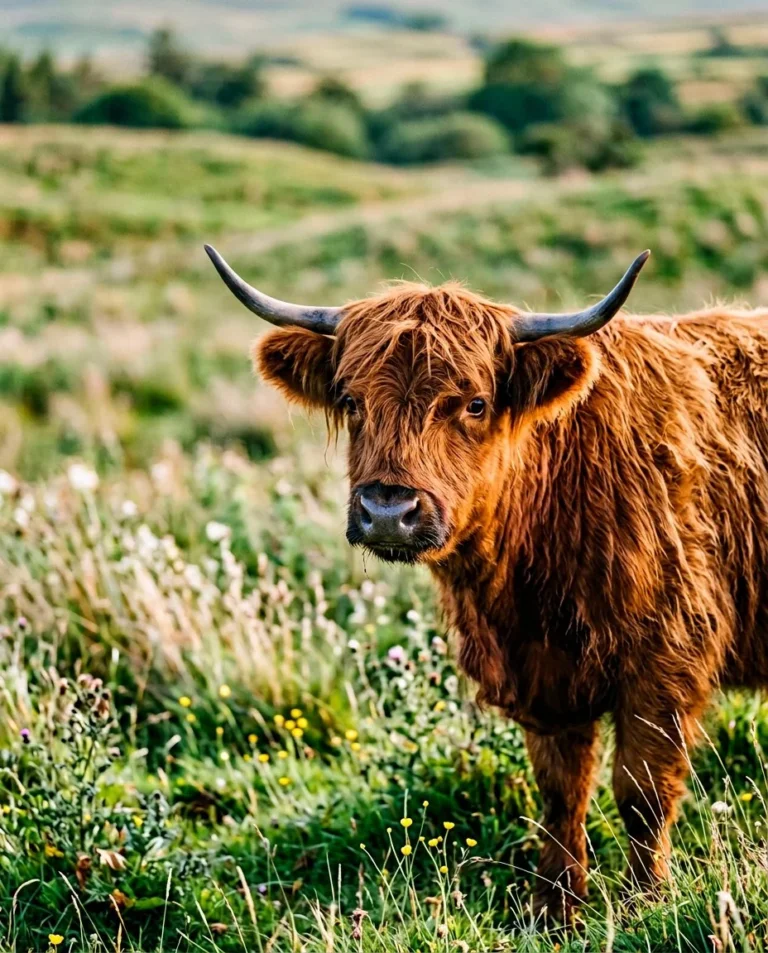
A small-herd cattle emergency plan should be short enough to use under stress and specific enough to work on your property. The most helpful preparation is often practical: who to call, how they reach the animals, who can help, and where essential information is kept.
Put contacts in one place
List your veterinarian’s routine and emergency numbers, an experienced backup keeper, appropriate handling and transport help, a water-system repair contact, and relevant local emergency services. Confirm that each service actually covers your area.
Keep the plan available to authorized caretakers in both a usable paper form and a secure digital copy. Do not publish private addresses, access codes, or personal contact details on the public website.
Describe access clearly
Include the property address, entrance instructions, safe parking and turning areas, gate arrangements, and where the cattle are kept. Explain any hazards or equipment limitations. Arrange secure access for an authorized helper if you are unavailable.
Suitable handling and restraint facilities are important for veterinary work; an open field and a halter may not be enough. 5
Keep an animal information sheet
Record identification, age, relevant health history, current veterinary instructions, recent treatments, feeding information, and any known handling concerns. Keep it updated rather than relying on memory during an urgent call.
Ask your veterinarian which warning signs require immediate contact and what observations are useful to report. Do not delay a call while searching for a diagnosis online.
Agree on decision-making and funds
Identify who may authorize care when you cannot be reached. Discuss the arrangement with the veterinarian and backup keeper where appropriate. Keep an emergency reserve and understand how urgent services are paid for.
Consider events beyond illness: loss of water, fencing failure, severe weather, feed interruption, fire, or evacuation. Each may need different qualified help and a safe place for animals to go.
Practice a short scenario
Choose one realistic problem, such as a failed water pump during hot weather. Walk through how it would be noticed, who is called, what temporary resources exist, and how the animals are kept safe. Fix the gaps the exercise reveals.
Review the plan after adding animals, changing facilities, moving suppliers, or experiencing an incident. A plan that names unavailable people or broken equipment is not a working plan.
Use the veterinary emergency-fund guide and long-term care planning to connect immediate response with sustained responsibility. In a suspected emergency, contact your veterinarian or the appropriate emergency service promptly.
AI-assisted buyer education, informed by the sources linked above. No first-hand farm experience or professional qualification is implied. Ask a qualified veterinarian, agricultural adviser, or relevant authority about your own animals and location.