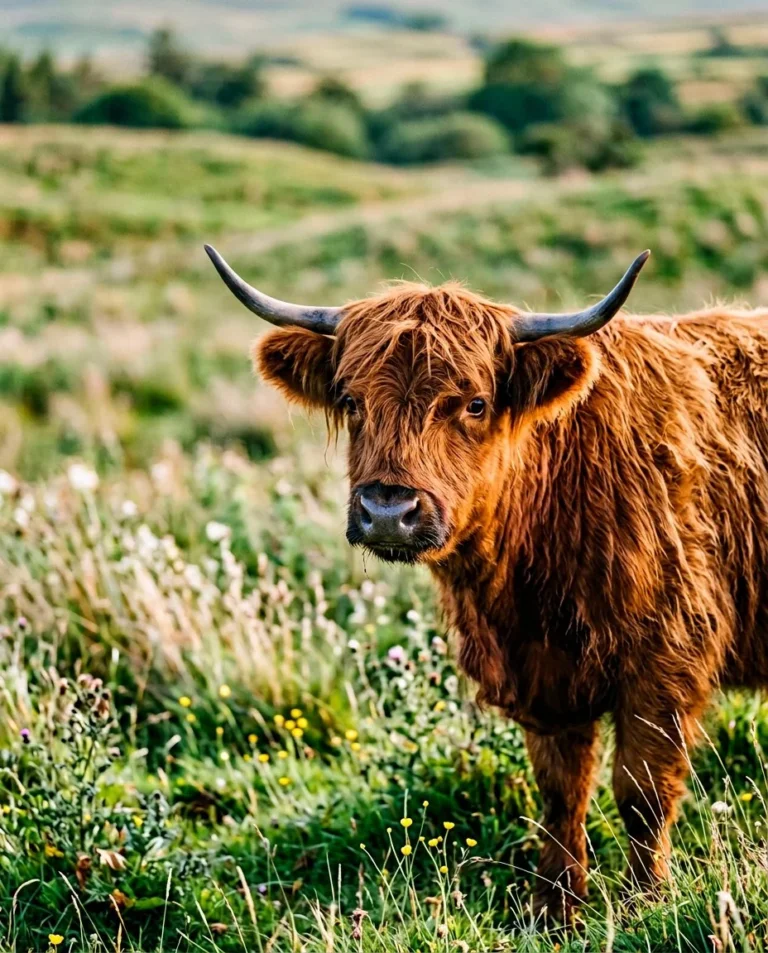
A live video cattle viewing is most useful when it answers planned questions in real time. It can help connect an animal to its records and the person presenting it. It cannot replace a veterinary examination, prove every ownership claim, or let you assess all the things you would notice in person.
Agree on a short agenda
Tell the seller which animal you want to see and what you need to understand. Ask for a continuous, ordinary view of the animal at the time of the call, rather than a replay of promotional footage. Allow for weak rural internet connections, but do not treat a prerecorded clip as equivalent to a live interaction.
Have the listing and questions in front of you. With permission, take notes or record the session for your own review. Respect the seller’s privacy and do not share recordings, farm details, or people’s faces publicly without consent.
Connect the animal to its identity
Ask the keeper to show identifying features and any readable identification safely. Compare them with the photographs and paperwork. Request the date of birth and the name or number under which veterinary and genetic records are held.
If you are shown several similar animals, pause and clarify which one is offered. Write down any uncertainty. A successful call should reduce confusion, not merely create an appealing impression.
Ask for useful, safe observations
Request a view of the animal standing and walking in its normal environment, its access to water and feed, and its interaction with compatible cattle. Ask how it is ordinarily moved between areas and handled for routine care.
Do not ask a keeper to provoke, chase, corner, or perform risky contact with an animal to “prove” friendliness. Safe cattle handling depends on calm methods, adequate facilities, and awareness of animal behavior. 1
A calm moment is a limited observation, not a lifetime temperament guarantee. Discuss how the animal behaves during unfamiliar handling, transport, separation, and veterinary work.
Keep measurement and health claims in context
A video can show how a measurement is taken, but record the method, date, and age. Camera angles can change the apparent size of an animal. Request the actual laboratory report for a genetic claim and the relevant veterinary records for health statements.
After the call, send a written summary of important points and ask the seller to correct misunderstandings. Keep unresolved questions clearly marked. Do not let a good video call become the sole reason for sending a deposit.
Your next decision
Proceed only when the viewing, documents, seller information, and professional advice tell a consistent story. If they do not, request clarification or step back. Combine this guide with the deposit checklist and health-record review before making a commitment.
AI-assisted buyer education, informed by the sources linked above. No first-hand farm experience or professional qualification is implied. Ask a qualified veterinarian, agricultural adviser, or relevant authority about your own animals and location.