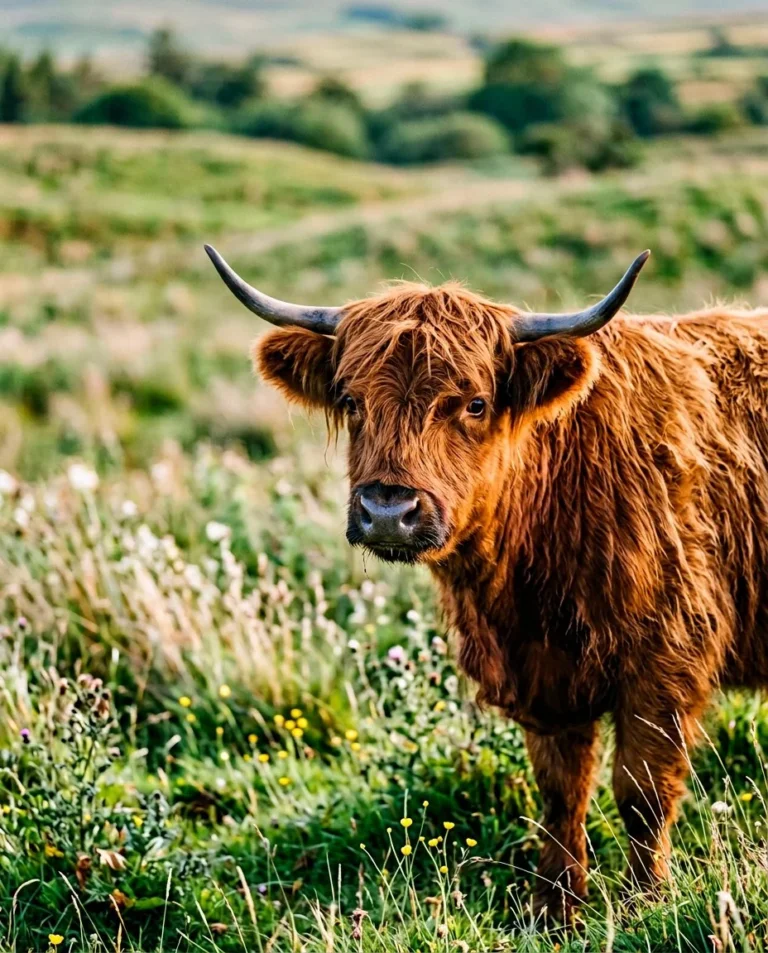
A mini cow sale listing usually mixes different kinds of information: measurable facts, observations, estimates, and promotional language. Reading those categories separately helps you identify what is known and what still needs checking.
Facts should connect to a record
An animal’s identification, documented birth date, recorded sex, and laboratory result should have an identifiable source. Ask whether each document refers to the same animal you are viewing. A copied test summary or an undated photograph may not provide the connection you need.
Registration is another record to investigate. Ask which organization issued it, what category the animal is registered under, and whether transfer requirements apply. Do not assume that registration automatically establishes a particular adult height or every claim in the advertisement.
Observations need context
Descriptions such as “quiet,” “easy to lead,” and “used to people” describe behavior in particular circumstances. Ask who observed it, how recently, and during which activities. An animal may accept brushing but be inexperienced with loading or veterinary restraint.
Request a safe demonstration of the routine that matters to your own setup. Never ask someone to provoke or corner an animal as a test. Appropriate facilities and calm handling remain important for cattle described as gentle. 1
Estimates are not guarantees
A predicted mature height is different from a current measurement. Ask for the calf’s age, the measurement method, and the adult parental records behind the prediction. Record exactly what the seller is estimating and whether any written commitment exists.
Treat phrases such as “will stay tiny” cautiously unless the limitations are clearly explained. A photograph without scale, age, or a consistent measurement method cannot tell you what facilities an adult will need.
Marketing language does not replace evidence
“Micro,” “rare,” “premium,” “family-friendly,” and “perfect breeding pair” can make a listing sound specific while leaving essential questions unanswered. Convert each phrase into a practical request:
– “Micro” → What are the dated measurements and the definition being used?
– “Healthy” → Which veterinary records are available?
– “Tested” → Which laboratory, variant, sample identity, and result?
– “Trained” → Which tasks can be demonstrated safely?
– “Ready” → Ready in terms of feeding, health, documents, and transport?
Make an evidence table
Save the listing date and separate confirmed facts from questions. Note any changes in age, price, sex, or availability across different pages. Ask the seller to explain discrepancies before committing; ordinary editing mistakes and serious inconsistencies both deserve clarification.
Use our breeder interview to fill the gaps and our mature-size guide to assess size claims. A good listing makes the next conversation more informed. It does not replace that conversation.
AI-assisted buyer education, informed by the sources linked above. No first-hand farm experience or professional qualification is implied. Ask a qualified veterinarian, agricultural adviser, or relevant authority about your own animals and location.