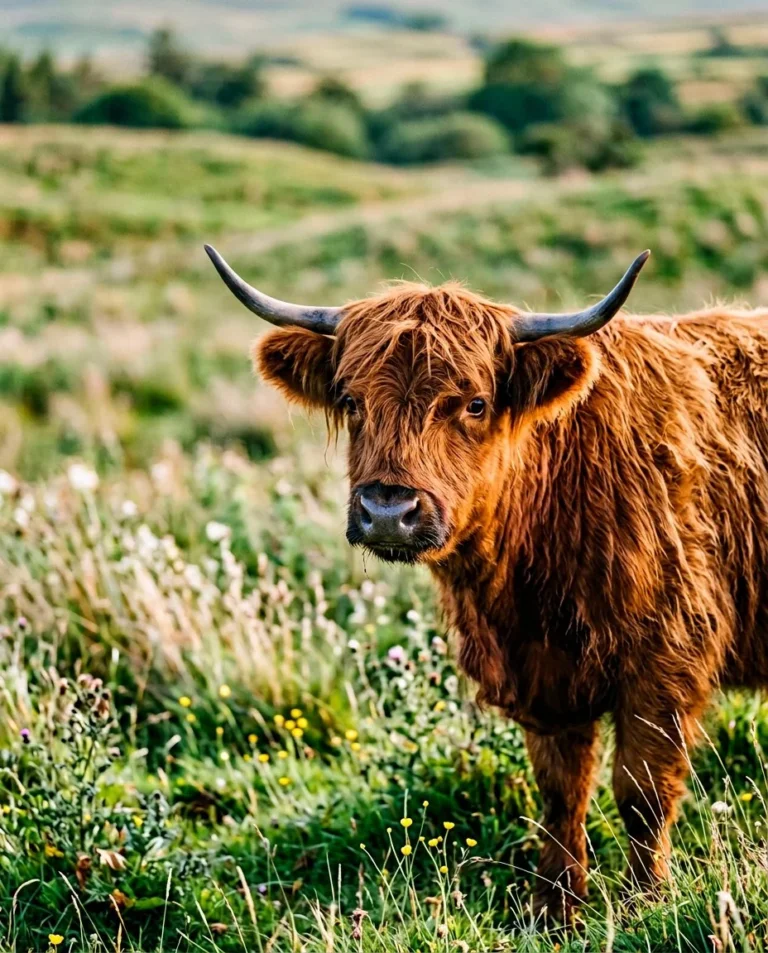
Mini cattle mature size is one of the easiest things to misunderstand when shopping from calf photographs. A current measurement describes an animal at a particular age. A projected adult measurement is an estimate that depends on the available evidence and the assumptions behind it.
Record the measurement properly
Ask for the animal’s identification, date of birth, measurement date, measurement point, and method. Request a safe demonstration or clear record where practical. Hip and shoulder measurements should be labeled, not treated as interchangeable numbers.
Ask whether the ground was level and how the animal was positioned. You are looking for a consistent method, not a photograph that makes the animal appear as small as possible.
Review mature parental records
Parents’ measurements can provide context, particularly when the parents are mature and measured consistently. Ask for their ages at measurement, identities, known ancestry, and any relevant growth history.
Parental information does not turn an estimate into certainty. Discuss the limits with an experienced breeder and veterinarian, especially when records are incomplete or the animal has mixed ancestry.
Keep health and growth separate from marketing
Small stature alone is not a health certificate. Review body condition, mobility, development, and relevant genetic tests with a veterinarian. Appropriate feeding should support healthy growth; it should never be restricted simply to meet a desired label.
UC Davis explains that specific dwarfism variants can affect skeletal development and that the corresponding tests identify those variants. A negative result for a tested variant is not a general guarantee of normal growth, adult height, or freedom from other conditions. 2
Read any guarantee as a contract
If a seller offers a mature-size guarantee, ask for the age at assessment, measurement procedure, remedy if the prediction is wrong, and any exclusions or obligations. Consider professional advice if the guarantee is a major reason for purchase.
Do not build essential facilities to an optimistic maximum without a margin. Fences, handling equipment, shelter, and transport should suit the animal you may actually be managing as an adult.
A useful evidence ladder
Most uncertain: An attractive photograph and an undefined size label.
More informative: A dated current measurement linked to a documented age.
Better context: Consistent adult parental records and a clear growth history.
A different purchase option: A mature, measured animal whose current size can be assessed directly, while still reviewing its health and suitability.
Read mini versus standard Highland and what micro means before using a size category to make a long-term commitment.
AI-assisted buyer education, informed by the sources linked above. No first-hand farm experience or professional qualification is implied. Ask a qualified veterinarian, agricultural adviser, or relevant authority about your own animals and location.