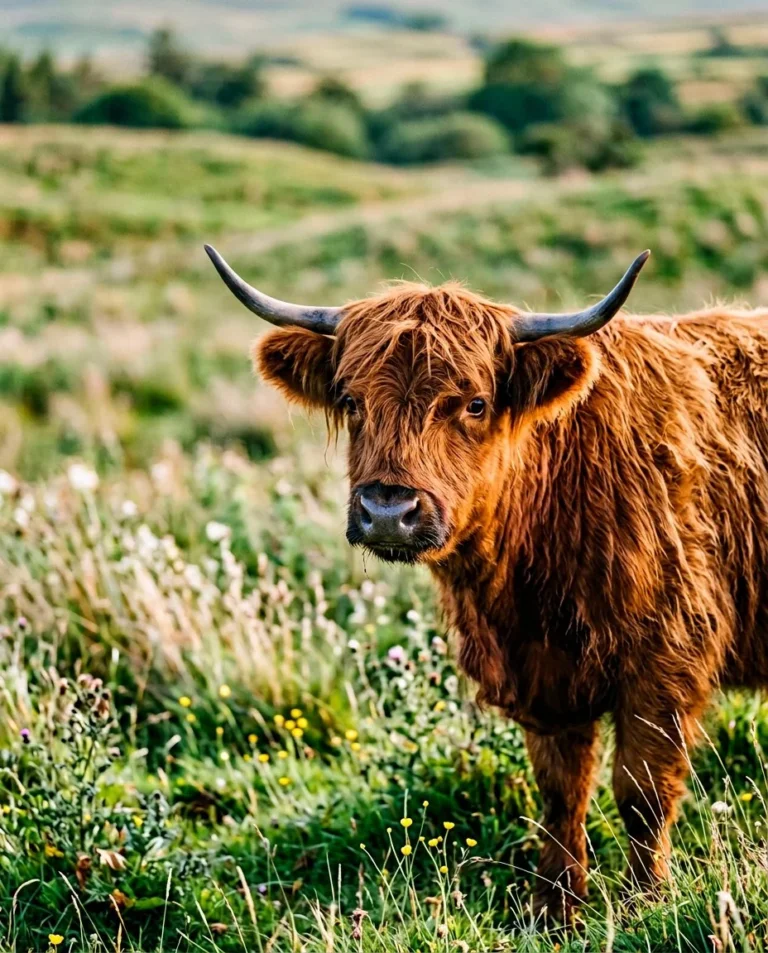
Comparing mini Highland vs mini Hereford cattle is a practical exercise in matching animals to your property and purpose. Rather than asking which label is universally better, ask which documented individual you can manage well over its lifetime.
Define what a good fit means
List the role you want cattle to have, your experience, available facilities, local climate, and the compatible cattle group you can support. Decide which needs are essential before considering appearance.
A coat color, facial pattern, or a friendly expression can be a preference. It should not outrank health, appropriate behavior, safe handling, or a realistic care budget.
Compare size using consistent evidence
Ask each seller for dated current measurements, the measurement point used, the animal’s age, and mature parental records where available. Confirm how the seller or relevant registry defines the size category.
Do not compare a calf’s shoulder measurement with an adult’s hip measurement. Do not assume “mini” has a single meaning across advertisements. Save the method with the number so the comparison remains interpretable.
Review the actual management implications
Ask about horn status, handling demonstrations, feeding history, known ancestry, and health records. Assess shade, ventilation, water access, shelter, and your safe restraint system for the specific animal.
University of Minnesota Extension’s feedlot guidance emphasizes water, shade, airflow, and carefully timed necessary handling during hot conditions. Ask your veterinarian how to apply those principles to your individual animals. Those practical provisions matter more than assuming any breed label guarantees comfort in your climate. 1
Do not shortcut the veterinary review
Give your veterinarian the intended use, animal records, relevant genetic reports, and any concerns observed at viewing. Ask whether additional checks are appropriate. A pleasant viewing cannot replace a professional assessment.
If you are buying breeding stock, add reproductive suitability, relatedness, and a plan for offspring. If you want companions, make sure the proposed animals do not create an unintended breeding arrangement.
A comparison table to fill in
| Question | Highland-type candidate | Hereford candidate |
|---|---|---|
| Verified ancestry and registry description | Request records | Request records |
| Adult-size evidence | Compare method and age | Compare method and age |
| Handling demonstrated | Record actual tasks | Record actual tasks |
| Relevant health review | Discuss with veterinarian | Discuss with veterinarian |
| Facility changes needed | Obtain realistic quotes | Obtain realistic quotes |
| Compatible cattle company | Plan before purchase | Plan before purchase |
Use mature-size assessment and complete price comparison to finish the decision. The best match is supported by evidence and a workable management plan, not a generic breed ranking.
AI-assisted buyer education, informed by the sources linked above. No first-hand farm experience or professional qualification is implied. Ask a qualified veterinarian, agricultural adviser, or relevant authority about your own animals and location.