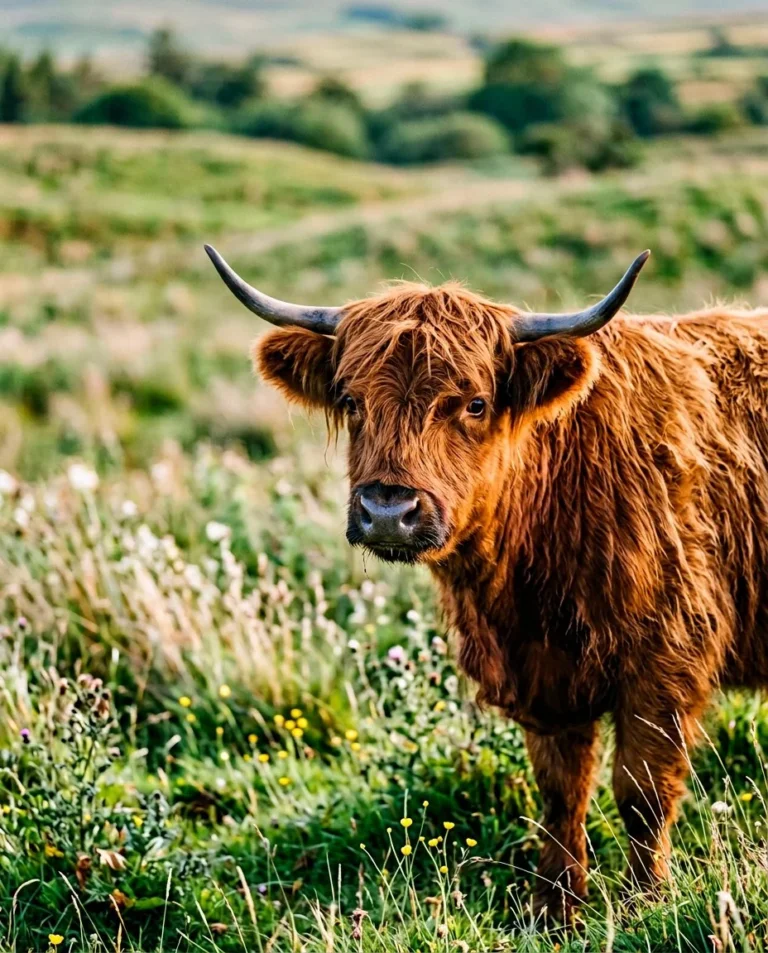
A micro mini cow label can sound precise while leaving the most important questions unanswered. Before using it to compare animals, ask what the seller means, how size was measured, and whether the claim refers to the animal today or an estimate of its future size.
Request a definition in plain language
Ask for the age at which the category is assessed, the measurement point, and the method. If a registry is mentioned, check that organization’s own current rules rather than assuming every seller uses the same standard.
Keep dated measurements with the animal’s identification. A number without an age, method, or matching animal record is difficult to interpret. Photographs are especially unreliable for comparing size when camera angle and scale differ.
Distinguish small stature from a health assessment
Short legs or a very small appearance do not establish that an animal is healthy or suitable for breeding. Ask for a veterinary evaluation appropriate to your purpose and the actual genetic reports relevant to the animal’s ancestry.
UC Davis describes Dexter bulldog dwarfism variants in the ACAN gene and notes their occurrence beyond Dexter cattle, including miniature Scottish Highland cattle. Its report distinguishes normal, carrier, and affected results for the tested variant. 2
Do not interpret “chondro negative” as a blanket guarantee against every skeletal issue, other genetic condition, or future illness. Confirm which variant or variants were tested and whether the sample identity matches the animal.
Do not buy a lifelong size promise from a calf photo
Ask for adult parental measurements, growth history, and the limits of any prediction. If a written size guarantee is offered, read how size will be measured, at what age, what happens if the prediction is wrong, and which exclusions apply.
Plan facilities with a sensible margin rather than building to an optimistic estimated height. Feeding should support healthy development; restricting nutrition to keep an animal small is not an acceptable size-management strategy.
Keep purpose and welfare ahead of the label
List what you actually need: manageable facilities, appropriate behavior, a compatible cattle group, or documented breeding characteristics. Discuss whether the candidate meets those needs without relying on the word “micro.”
Questions worth saving
- Is this a current measurement or an adult prediction?
- Which definition and measurement method are being used?
- What do the mature parental records show?
- What has a veterinarian assessed?
- Which exact genetic tests were performed?
- What uncertainty remains?
Use the mature-size checklist and genetic-testing guide to turn an eye-catching label into a more informed discussion.
AI-assisted buyer education, informed by the sources linked above. No first-hand farm experience or professional qualification is implied. Ask a qualified veterinarian, agricultural adviser, or relevant authority about your own animals and location.