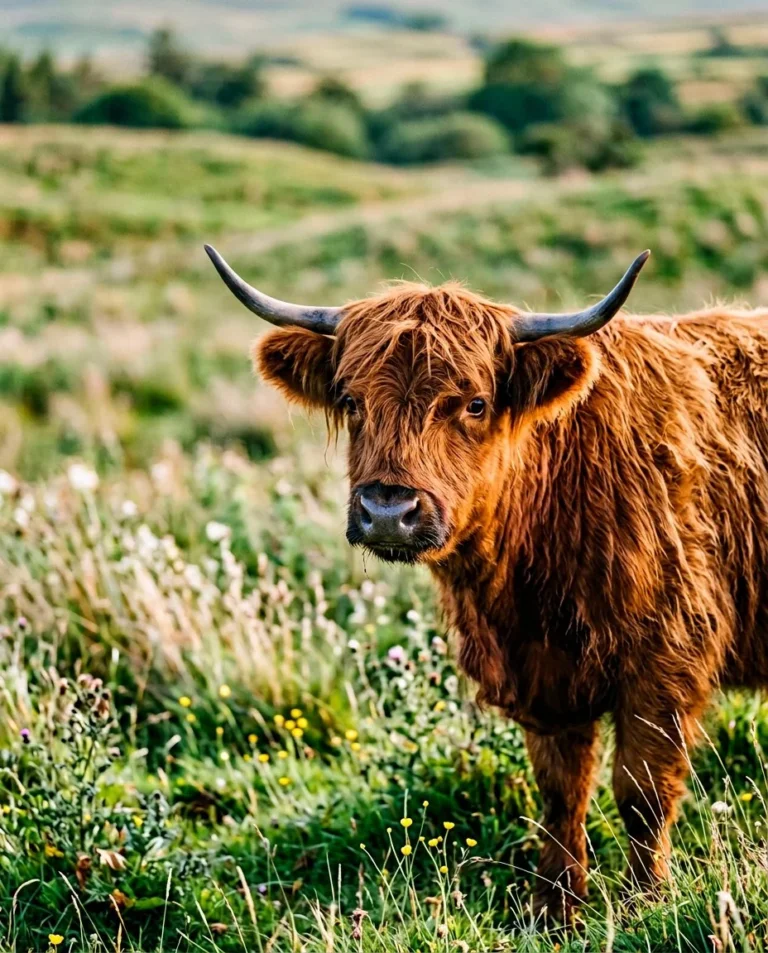
Understanding heifer vs cow terminology helps you compare sale listings and ask better reproductive questions. Although people often use “cow” casually for any bovine, sale records may use the term more specifically. Clarify the seller’s meaning rather than relying on the headline.
The basic distinction
A heifer is a female that has not calved. A cow is a female that has calved. Neither term alone tells you whether the animal is currently pregnant, lactating, fertile, or suitable for your breeding plans.
A young heifer’s current size is also not a dependable statement of her final mature size. Ask for her birth record, growth information, and adult parental measurements if stature matters to your purchase.
Ask about reproductive status separately
If a seller says “open,” “bred,” “in calf,” or “with calf at foot,” request the exact meaning and supporting information. Ask when a pregnancy assessment occurred, who performed it, and what limitations apply. Discuss the evidence with your veterinarian.
For an animal offered with a calf, clarify whether both are included, their individual identities, the calf’s feeding dependence, and the management implications of any proposed separation. Do not assume a pair can be split immediately because the advertisement gives separate prices.
Match the animal to your purpose
If you want non-breeding companions, discuss reproductive management and safe separation from intact males. If you want breeding stock, review maturity, condition, history, fertility information, relatedness, and relevant genetics with qualified advisers.
Penn State’s cow-calf guidance identifies several ways to begin a herd, including buying heifers and buying cows, and recommends considering the source herd’s health program and genetic potential. That is a broader evaluation than a simple age or price comparison. 3
Do not confuse reproductive history with suitability
An older cow may have useful records, but her individual health, mobility, handling, and reproductive history still need review. A heifer may have a longer potential future, but that does not guarantee fertility, easy calving, a particular temperament, or a predictable adult size.
Ask what has actually been observed or tested. Avoid paying extra for an assumed future outcome that is not supported by records or a clear agreement.
Record these fields before comparing
- Identification and documented date of birth.
- Whether the female has calved.
- Current pregnancy or lactation status, if relevant.
- Dates and sources of reproductive assessments.
- Relevant health, treatment, and breeding history.
- What animals and records are included in the sale.
Use heifer, steer, or bull for the wider first-animal decision and the pre-purchase examination guide to prepare a professional review.
AI-assisted buyer education, informed by the sources linked above. No first-hand farm experience or professional qualification is implied. Ask a qualified veterinarian, agricultural adviser, or relevant authority about your own animals and location.